4 minutes

What Are Ceramic Rollers and How Do They Improve Industrial Production?

ceramic rollers

On a production line, reliability is frequently decided by the components that attract the least attention.  Unplanned downtime, inconsistent product quality, and rising maintenance costs all affect operational performance.  

While often overlooked, ceramic rollers play a key role in preventing these issues.  

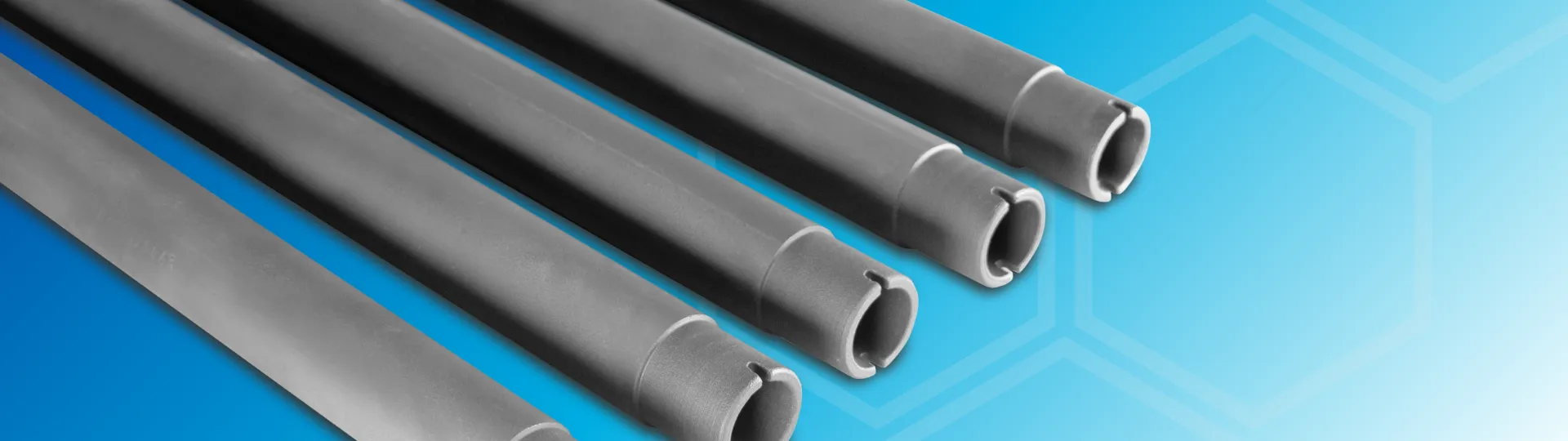
Used in hot stamping and continuous production lines, the ceramic rollers support precise, stable movement under demanding conditions. Their unique material properties make them a valuable alternative to traditional metallic rollers in a growing range of industrial applications. 
Why Are Ceramic Rollers Essential in Modern Manufacturing?

Ceramic rollers are cylindrical components manufactured from advanced engineering ceramics and designed to operate in harsh industrial environments. They are commonly used as ceramic guide rollers, ceramic conveyor rollers, or support rollers in production systems where reliability and dimensional stability are critical.

Industrial ceramic rollers are expected to maintain their mechanical properties under elevated temperatures and severe wear conditions. This makes them particularly valuable in industries such as automotive manufacturing, metal processing, ceramics production, and other high-temperature applications.

Whether transporting components through furnaces or supporting materials during processing, ceramic rollers help ensure smooth operation, precise positioning, and consistent product quality.

The Challenges of Hot Stamping and Continuous Production Lines

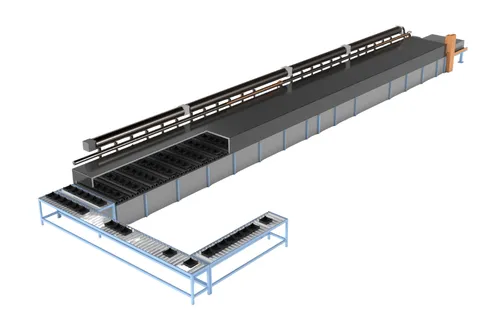
Manufacturers operating hot-stamping equipment and continuous production lines face a range of operational challenges. High temperatures, abrasive environments, and continuous mechanical loading can accelerate component degradation and increase maintenance requirements.

In hot stamping processes, rollers are exposed to repeated thermal cycles while handling heated metal or ceramic parts. Under these conditions, conventional metallic rollers may experience deformation, oxidation, or premature wear.

Similarly, continuous production lines depend on reliable material handling systems to maintain throughput and product consistency. Any disruption caused by roller failure can lead to unplanned downtime, reduced productivity, and increased operational costs.

Production line

As a result, ceramic rollers for hot stamping have become an increasingly attractive solution for manufacturers seeking greater process stability and long-term reliability. 

Key Advantages of Ceramic Rollers over Metallic Rollers

One of the main reasons manufacturers adopt advanced ceramic rollers is their ability to overcome many of the limitations associated with metallic alternatives.

Among the most significant ceramic roller advantages are:

  • Superior resistance to high temperatures
  • Excellent dimensional stability under thermal stress
  • Enhanced wear resistance and longer service life
  • Reduced risk of deformation and surface damage
  • Lower maintenance requirements
  • Improved process consistency

These benefits stem from the unique properties of engineering ceramics, which are specifically designed to perform in demanding industrial environments.  

In practice, the same advanced ceramic roller design can combine wear resistance and high-temperature stability. Wear-resistant ceramic rollers help maintain consistent geometry and surface quality over extended operating periods, while high-temperature ceramic rollers deliver reliable performance in applications where heat, oxidation, and mechanical stress may accelerate the degradation of metallic components.

Which Ceramic Materials Are Used for Industrial Rollers?

The performance of ceramic rollers depends largely on the materials from which they are manufactured. Different operating conditions require different material characteristics, making material selection an important engineering decision.

Many advanced ceramic rollers are produced using silicon carbide-based materials. Depending on the application, manufacturers may choose among several engineering ceramics technologies, including sintered silicon carbide, siliconized silicon carbide, recrystallized silicon carbide, and nitride-bonded silicon carbide.

These materials are selected for their combination of:

  • High mechanical strength
  • Excellent thermal shock resistance
  • Superior wear resistance
  • Good chemical stability
  • Long service life

The right choice depends on the operating temperature, mechanical load, thermal cycling, atmosphere, and expected service life. 

How Ceramic Rollers Improve Productivity and Product Quality

Beyond their material properties, ceramic rollers deliver measurable operational benefits throughout the manufacturing process.

Because they maintain consistent geometry and surface characteristics over time, ceramic rollers contribute to more stable production conditions. This stability helps improve product uniformity and reduce defects caused by component wear or misalignment.

In continuous production lines, reliable roller performance supports uninterrupted operation and minimizes unexpected stoppages. For production managers, this translates into improved throughput and greater manufacturing efficiency.

Advanced ceramic components for manufacturing also support better process control by maintaining predictable operating conditions throughout the production cycle.  

These benefits explain why ceramic rollers industrial applications continue to expand across a growing number of sectors.

How to Select the Right Ceramic Roller for Your Process

Selecting the right ceramic roller requires a thorough understanding of the production environment and process requirements.

Several factors should be considered during the selection process:

  • Operating temperature
  • Mechanical load
  • Thermal cycling conditions
  • Production speed
  • Chemical exposure
  • Required service life
  • Maintenance objectives

The optimal solution will depend on balancing these factors while considering overall process performance and long-term operating costs. Working with experienced technical specialists can help manufacturers identify the most appropriate material and design configuration for their specific application.

Want to learn more ?

 Our team can help you choose the best equipment for your specific needs.

Silicon carbide based ceramic rollers help improve durability, process stability, and manufacturing efficiency by resisting heat, wear, and deformation in demanding industrial environments.

Selecting the right material and roller design is essential to achieving long-term performance and operational reliability. At Saint-Gobain Performance Ceramics & Refractories (PCR), we combine materials expertise and application knowledge to help manufacturers address these challenges with confidence.

Confident in our expertise, mindful of the challenges ahead, we develop advanced ceramic solutions that help industrial manufacturers improve performance, reliability, and efficiency.