
Typical kiln furniture components include refractory ceramic beams, lug posts, plates, saggers, setters, tables, tile cranks, and so on. However, these largely depend on furnace geometry. Roller hearths, for example, require high-temperature mechanical conveyors to continuously feed workpieces through a tunnel chamber with several heating zones.
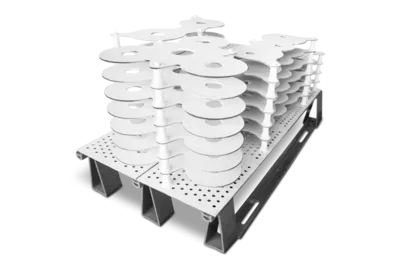
These are used throughout thermal processes, which means they are routinely fired at extremely high temperatures, thus are subjected to severe thermochemical stress. Consequently, kiln furniture may need to be replaced regularly due to rapid component degradation. This represents a significant ongoing cost. Advanced silicon carbide products of today are engineered to mitigate this issue, taking standard components from mere hundreds of cycles to thousands.
Additional costs are incurred due to over-utilization of space in the heating chamber by heavy ceramics like cordierite-based products. Kiln furniture increases the rate of energy consumption in routine thermal processing, which impacts efficiency and ultimately affects the plant’s bottom line.


