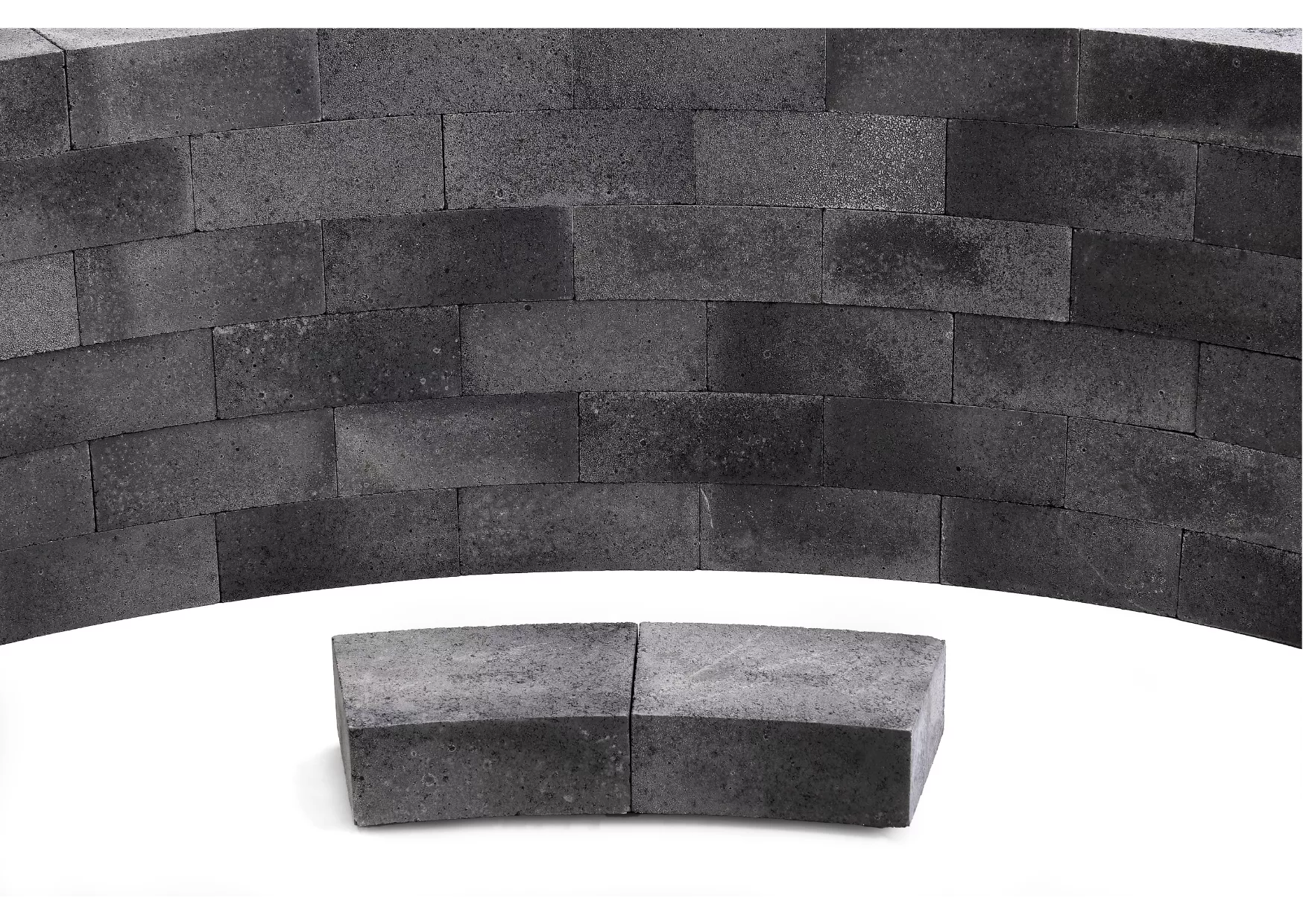
While both refractory bricks and fire bricks are designed for high-temperature applications, there are some critical differences that make them suitable for different purposes:
- Composition: Refractory bricks, including SiC refractory bricks, are typically made from materials like silicon carbide, alumina, zirconia or are containing a higher amount of mullite. Fire bricks, on the other hand, are primarily composed of clay minerals and alumina or mullite in lower quantities
- Thermal properties: Refractory bricks generally have a higher thermal conductivity as of their higher density
- Application-specific performance: Refractory bricks are designed for specific high-temperature applications and environments, offering better performance in terms of wear, corrosion because of direct contact with the corrosive media, and thermal resistance. Fire bricks, while suitable for general high-temperature applications, may not perform as well in more demanding environments and have a limited maximum temperature of use.
- Cost: Due to their high quality raw materials and properties, cost of refractory bricks is typically premium compared to fire bricks.